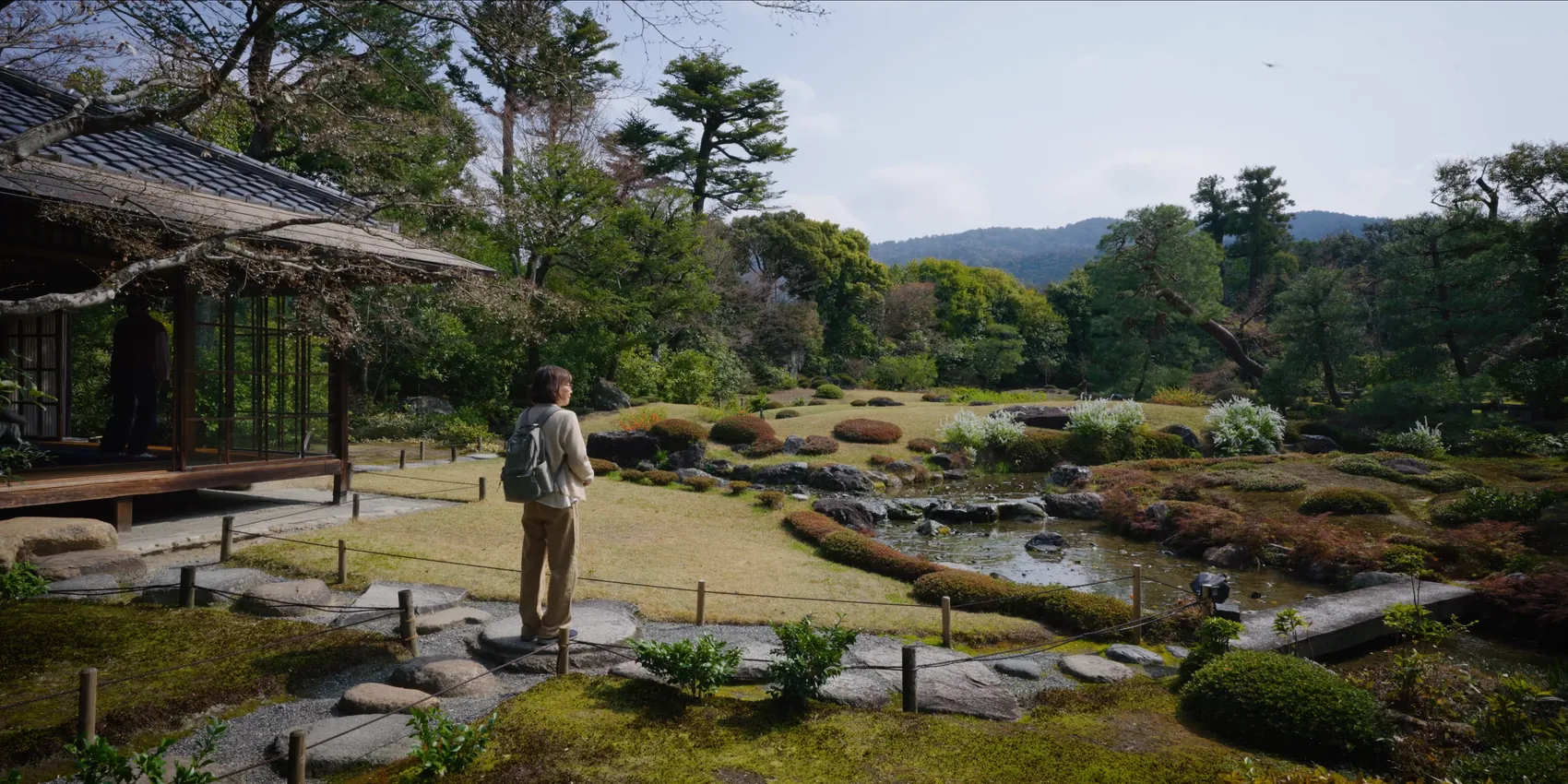
“Suddenly the whole world was upside down. Many people didn’t understand what was going on.”
Released
The Reinvention of Kyoto
Seen through its gardens
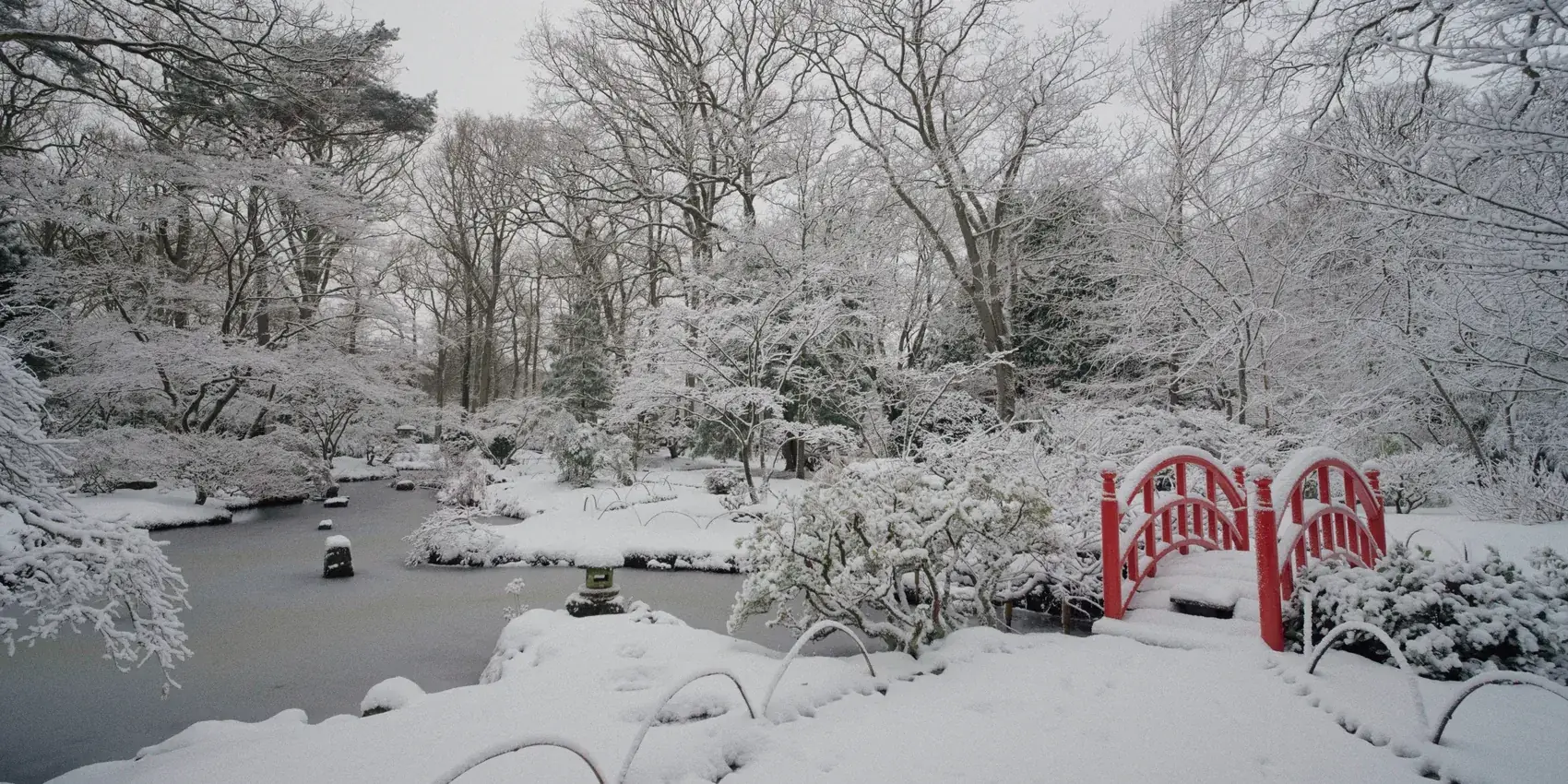
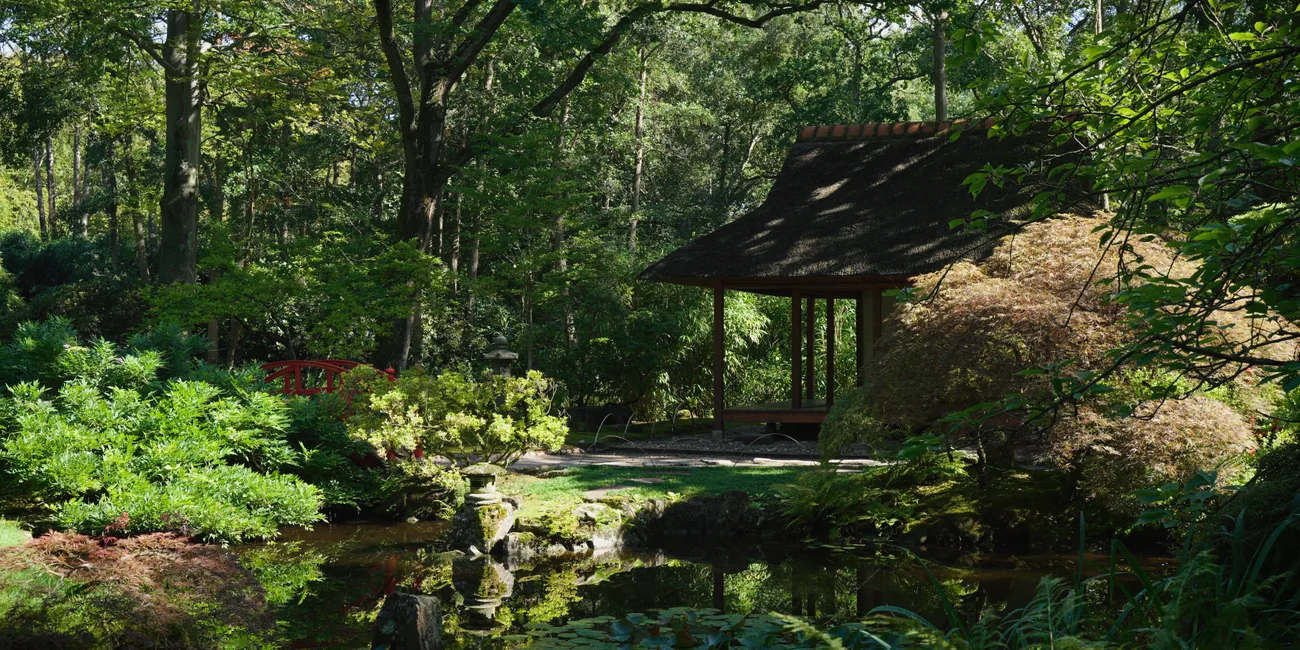
Kyoto's gardens are world-famous for their beauty. They are also the record of a crisis. When the emperor left for Tokyo in 1869 the old capital lost its court, its patrons and its purpose, and the gardeners who had served them had to find new patrons, and a new style to serve them with.
A canal was cut through the mountains from Lake Biwa, new money arrived, a new elite discovered a taste for nature, and a gardener named Ogawa Jihei VII turned a declining city into the birthplace of a garden style the world now reads as timeless.
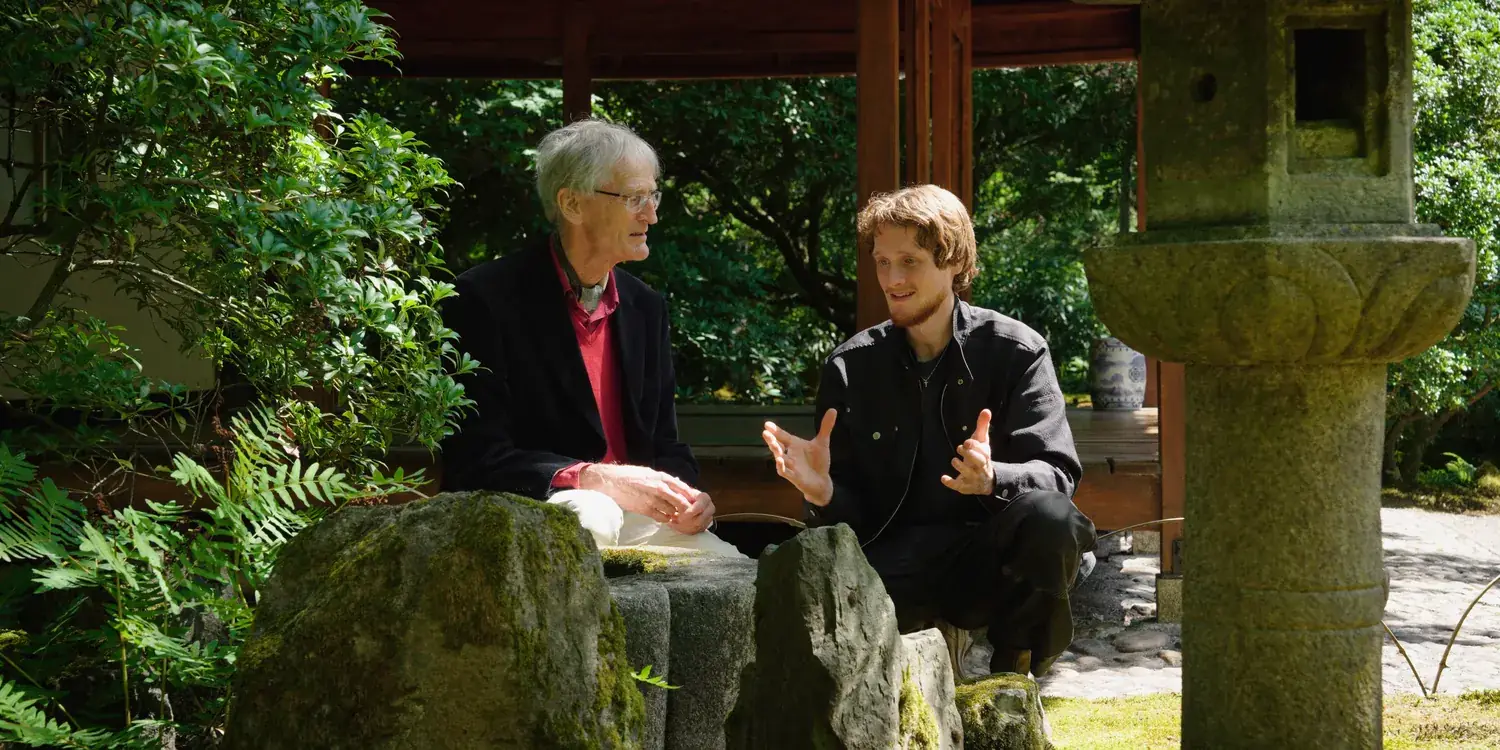
Prof. Dr. Wybe Kuitert, a historian of Japanese gardens and landscape architecture and the author of Japanese Gardens and Landscapes, 1650–1950 (University of Pennsylvania Press), advised on the script and appears throughout. His work showed me how closely garden culture tracks the politics around it. I drew on that and other sources to build one continuous film. It is a lesser known story outside Japan, and I wanted to bring it to a wider audience.
Production note
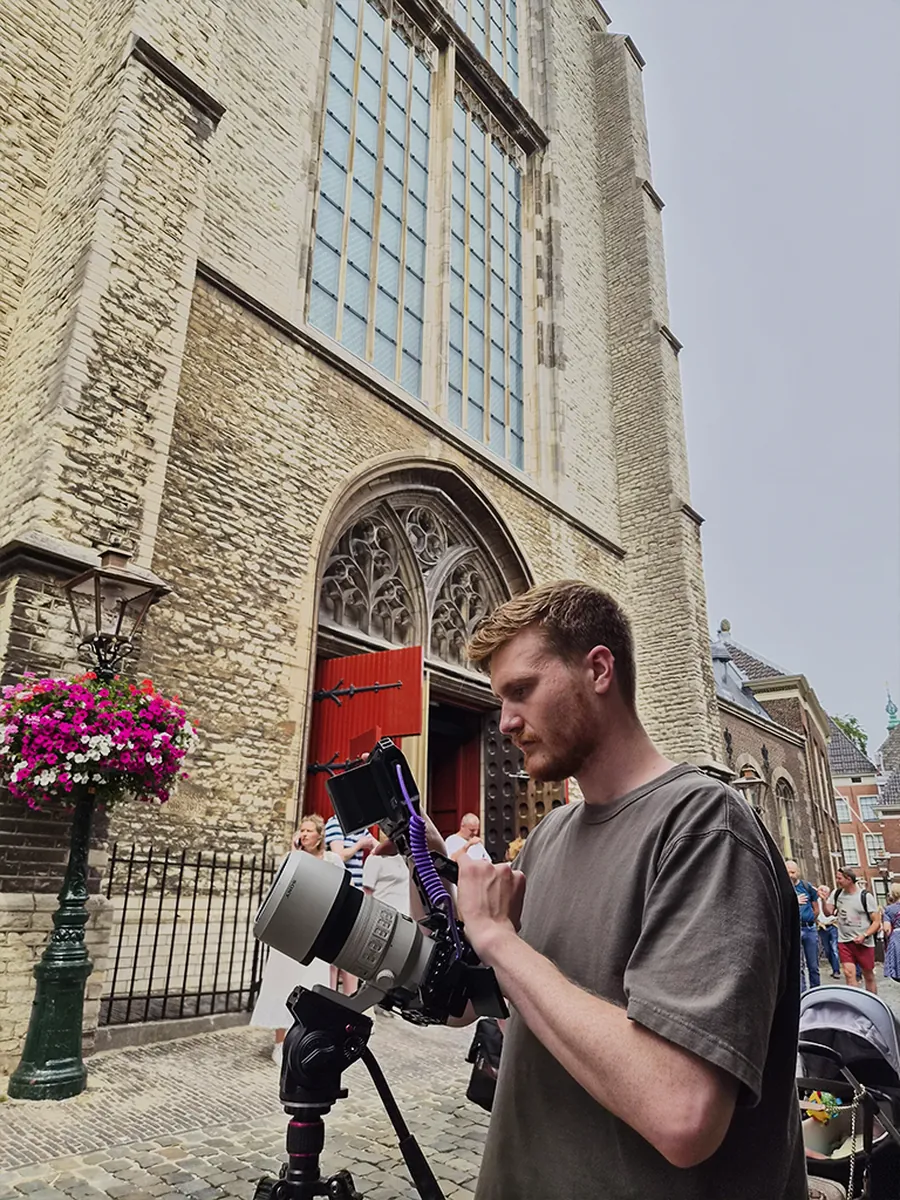
Kyoto is still there to film, but the nineteenth century survives mostly in still photographs, with only a few fragments of early film. I didn’t want to drop that material into the edit as digital inserts, so I put it back in front of the camera. I colourised and printed the photographs, then lit them and filmed them as objects. The moving footage I played on an analogue television and filmed off the screen. Because I shot everything on one camera, the film holds one continuous look.
Finding the story inside the material, and taking it no further than the sources allow, was the work I enjoyed most.
50 minutes · 2026 · available on YouTube
A film by Rani Schilperoordt
Featuring Prof. Dr. Wybe Kuitert